Semantic HTML for readable static sites
Semantic structure is not decoration; it improves scanning, accessibility, maintainability, and trust.
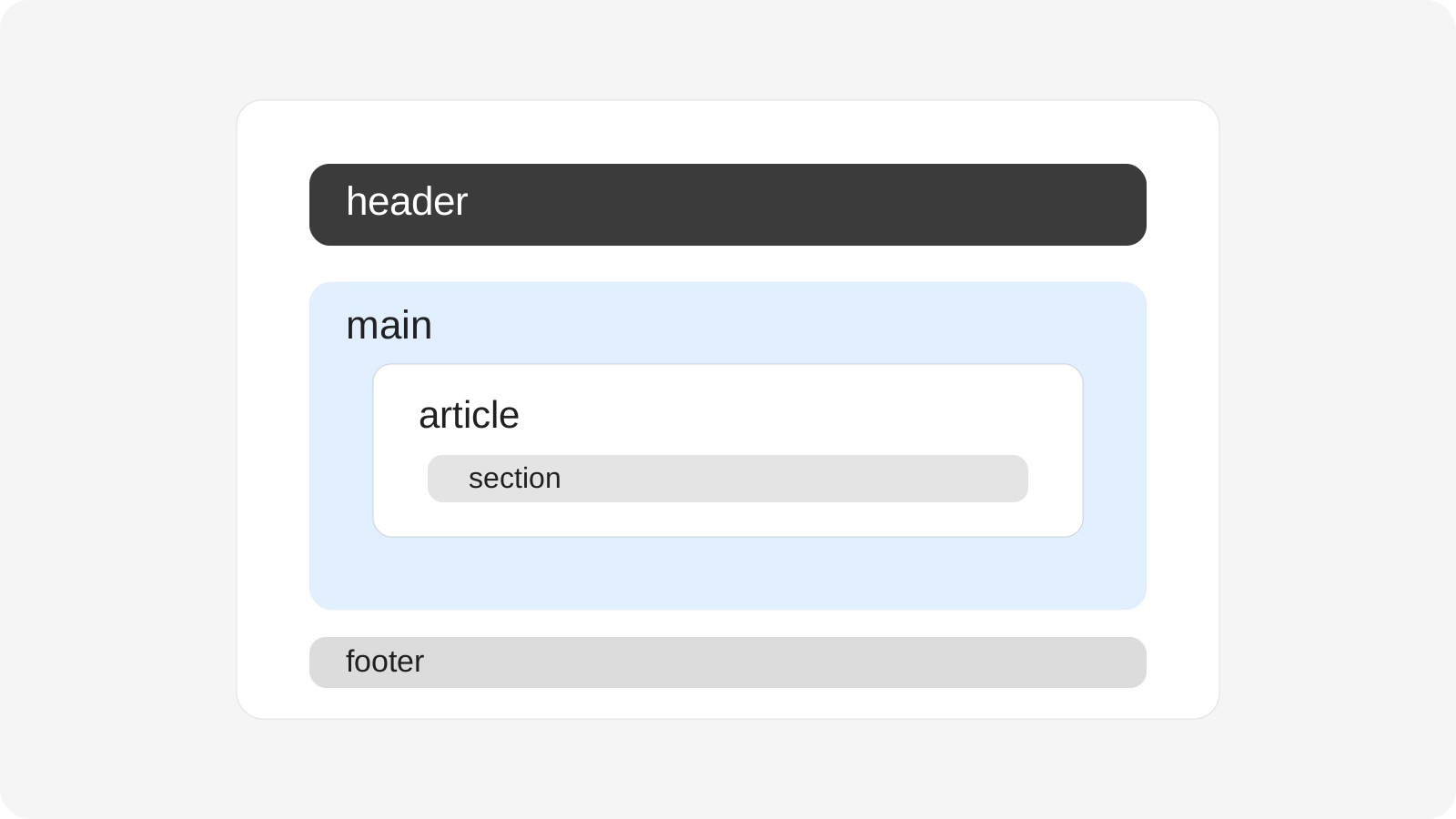
Readable sites are usually structured sites. When a page uses the right elements for the job, the content becomes easier to scan, easier to style, and easier to maintain.
Semantic structure helps readers
A reader may never say, “thank you for using <article> correctly,” but they still benefit from it.
Semantic structure helps by making pages:
- easier to navigate with assistive technology
- easier to summarize mentally
- easier to extend without turning into layout soup
A small structure goes a long way
A blog post usually does not need much:
- one
<main>for the page’s primary content - one
<article>for the actual post - a clear
<header>for title and metadata - nested sections only when they help clarify the document
- a
<footer>for post-level navigation
Semantics also help the implementation
When the HTML structure is clear, the templates and styles become clearer too. That makes the build system easier to extend without rewriting the entire pipeline each time a new content type appears.